
CAD Design
CAD design is the foundation of modern engineering, enabling products, structures and machines to be fully developed and validated before manufacturing begins.

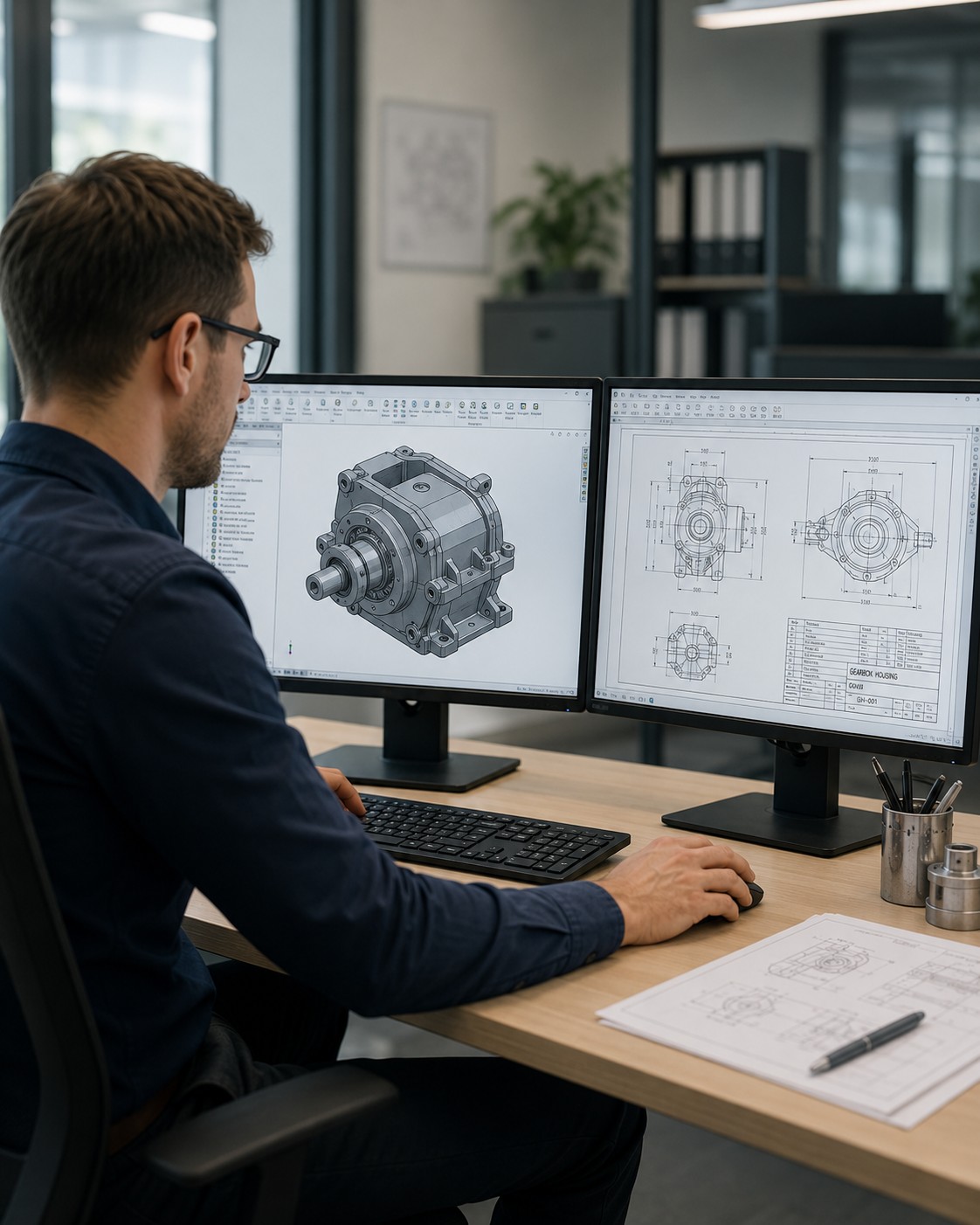
CAD design is the process of creating a digital engineering model of a product, machine or structure. It involves developing accurate 3D CAD models and technical drawings that allow engineers to evaluate component fit, structural design and manufacturability before production starts.
A well-developed CAD model is much more than a visual representation. It serves as the foundation for engineering calculations, component selection, motion and fit verification, manufacturing planning and the creation of production drawings and technical documentation.
CAD design helps identify design conflicts and manufacturing constraints while changes are still quick and cost-effective to implement. This reduces the need for multiple prototypes, minimises engineering revisions and lowers the risk of manufacturing errors, providing a reliable foundation for the next stages of product development.
At Revismo, CAD design is integrated into the broader engineering process. Our goal is to deliver engineering solutions that are technically sound, practical to manufacture and documented in a way that manufacturers, assembly teams and project stakeholders can use with confidence.
Problems that can be avoided
How can we help?
CAD models designed for manufacturing
A CAD model should support real manufacturing, not simply serve as a visual concept. During CAD design, we consider materials, manufacturing processes, tolerances, assembly methods and maintenance requirements to ensure the solution is practical and production-ready.
Engineering, not just drafting
CAD design is part of a complete engineering process. When required, we integrate CAD design with product development, strength analysis, risk analysis and CE compliance to ensure technical decisions remain consistent throughout the project.
Clear drawings and organised technical documentation
We prepare production drawings and technical documentation that communicate all required information clearly and consistently. Well-organised CAD models, engineering drawings and version-controlled documentation reduce misunderstandings and help keep engineering and manufacturing data up to date.
Broad engineering experience
We have designed machinery, mechanical systems, automation equipment, steel structures and a wide range of industrial products. Our multidisciplinary experience enables us to deliver projects where mechanical engineering, electronics and software development work together as an integrated solution.
Support throughout the development process
Our involvement does not end with completed CAD models and drawings. When needed, we continue supporting projects through engineering analysis, prototyping, testing, technical documentation and manufacturing preparation.
CAD design workflow
Project definition
Every project begins by defining the objectives and technical requirements. We identify the product function, key engineering constraints and design criteria that will guide the CAD design process.
Concept development
We evaluate alternative engineering solutions, materials and manufacturing methods before selecting the most suitable concept for detailed CAD design.
3D CAD modelling and design
We create a detailed CAD model that defines the structure of the product, machine or assembly. During modelling, we consider component integration, assembly, manufacturing processes, maintainability and any engineering analyses required later in the project.
Design review and refinement
We verify model geometry, interfaces, movement and component compatibility. Where necessary, we refine the CAD model and resolve potential engineering conflicts before preparing manufacturing documentation.
Production drawings and manufacturing files
We prepare part drawings, assembly drawings and manufacturing documentation, including dimensions, tolerances, materials and technical notes. Depending on project requirements, we also generate CNC machining files, cutting files, bills of materials and other production documentation.
Delivery and manufacturing preparation
The completed project includes organised CAD models, technical drawings and all agreed manufacturing files. If required, we continue supporting the project through strength analysis, prototyping, testing, CE compliance and production implementation.
How does CAD design accelerate product development?
CAD design allows engineering solutions to be created, reviewed and refined digitally before prototype manufacturing or production begins. Engineers can evaluate component fit, movement, interfaces, assembly sequences and maintenance access early in the process, allowing potential issues to be resolved while changes remain fast and cost-effective.
The CAD model serves as the project’s central engineering reference. Design updates are made within a single model, while technical drawings and manufacturing documentation are automatically updated to match. This reduces inconsistencies between engineering documents and allows development to continue without unnecessary rework.
A detailed CAD model also provides an early assessment of manufacturability. It enables engineers to evaluate geometry, materials, tolerances and manufacturing processes before production begins, helping reduce the number of prototypes, avoid manufacturing errors and shorten the time from concept to production-ready engineering.

If anything is still unclear
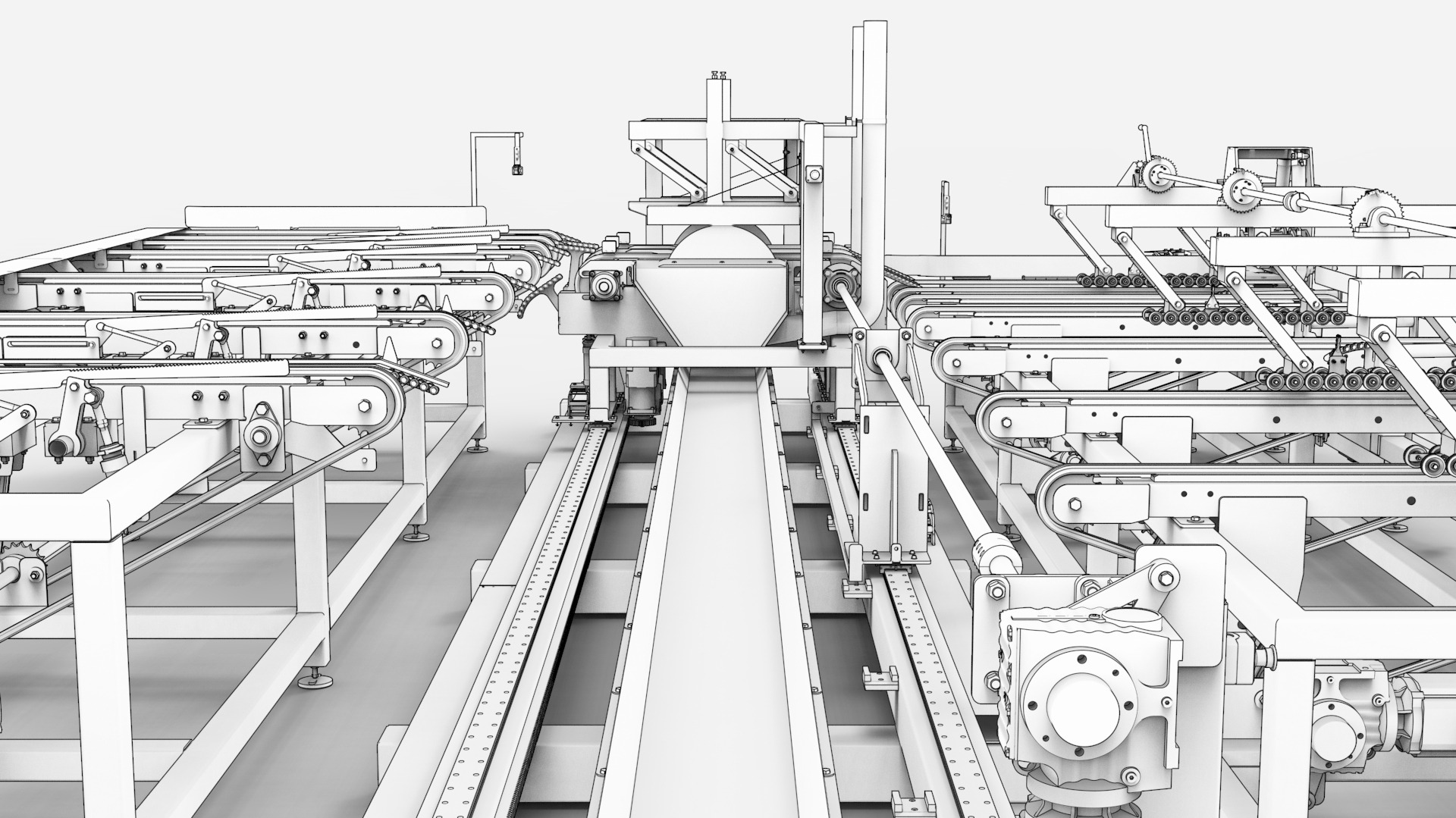
Revismo’s CAD design service typically covers the complete digital development of an engineering solution. The process begins with the creation of 3D models, followed by the preparation of technical drawings. Required purchased components are integrated into the model together with engineering calculations and compatibility assessments. Suitable manufacturing methods and technologies are selected to ensure the feasibility and manufacturability of the designed solution.
Systematic management of CAD files is also part of CAD design. Revismo has years of experience with product data management (PDM) solutions in both small and very large projects. PDM software such as Autodesk Vault helps manage model and drawing versions, change history, approval cycles and user access, reducing the risk of outdated files and conflicting technical information.
The outcome of a CAD design project is a complete set of digital engineering data that supports manufacturing, assembly and prototyping. The most common file formats delivered as part of a project include:
- 3D CAD models (.step, .ipt, .sldprt, .iam, .sldasm)
- manufacturing drawings (.pdf, .dwg, .dxf)
- CNC machining files (.step)
- cutting files (.dxf)
If required, we can also provide files in additional formats according to the client’s requirements.
The cost of CAD design depends directly on the scope of work, which is primarily influenced by the technical complexity of the solution, the number of components and the volume of drawings required.
The more detailed and complex the structure, the more engineering hours are required for 3D modelling, technical analyses and drawing preparation. Applicable standards and CE requirements also affect pricing, as reviewing regulations and ensuring compliance typically adds a significant amount of engineering and design work to the project.
Yes. Existing drawings, machines and components can be used as the basis for a CAD design project, as we also provide reverse engineering services that allow existing products, machines and structures to be converted into 3D models and further developed. The process begins with on-site measurements and data collection, after which we model all components that do not have existing drawings or 3D models.
CAD design is critical in product development because it forms the foundation for many key development stages and engineering activities. A well-structured CAD model allows solutions to be evaluated before manufacturing begins and helps identify design flaws and optimisation opportunities at an early stage of the project.
In addition, a high-quality CAD model helps reduce the need for physical prototypes. It enables accurate calculations of product weight, dimensions and other key performance parameters required for both product development and manufacturing. The CAD model also serves as the basis for manufacturing drawings, cutting files and technical documentation. Together, these outputs accelerate the development process and help ensure that the entire product development project progresses efficiently and smoothly.
Turn your idea into a precise engineering design
Whether you are developing a new product, designing machinery or digitising an existing solution, we create reliable CAD models and technical documentation that provide a solid foundation for manufacturing and further product development.
Recent projects and client stories
Get in touch
Whether it is a new idea or the further development of an existing solution, we help find the right route to a working result. Call or write to us and we will discuss how we can help.