
Product Development
Product development is the process of turning an idea into a functional, manufacturable product.

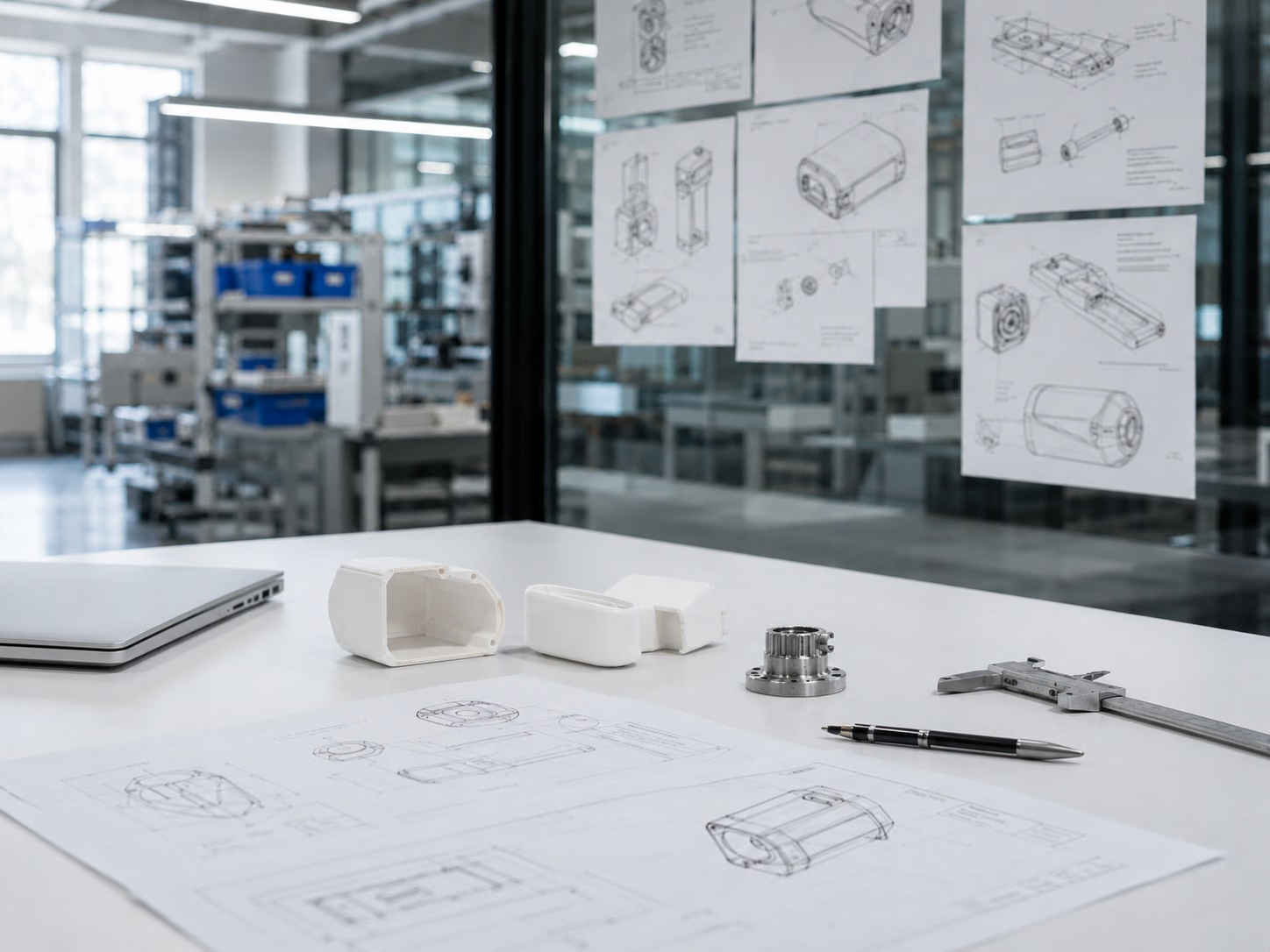
Product development brings together concept creation, engineering, industrial design, CAD design and regulatory compliance into a single process. The goal is to develop a product that is technically sound, practical to use, safe and ready for manufacturing. Depending on the project, the process may include concept development, industrial design, CAD design, strength analysis, prototyping, testing and technical documentation.
Every project begins by defining the objectives, technical requirements and design constraints. We then develop the most suitable engineering solution, select appropriate materials and manufacturing methods and verify that the concept meets both functional and regulatory requirements. Addressing key decisions early helps reduce costly design changes, production issues and performance risks later in the project.
Problems that can be avoided
Why involve Revismo in your product development project?
A comprehensive approach to product development
Successful product development requires balancing functionality, engineering, industrial design, manufacturability, safety and regulatory compliance. By combining expertise across multiple engineering disciplines, Revismo helps ensure these factors are considered together, resulting in better technical decisions and a stronger end product.
A clearer path from concept to market-ready product
An initial idea rarely includes all the technical requirements needed for successful product development. We help define the project brief, develop the right concept and identify the engineering activities required for design, validation, testing and manufacturing.
Engineering decisions based on analysis
Product development often involves selecting between different structures, materials, components and manufacturing processes. We evaluate each option based on performance, reliability, cost and practical feasibility, ensuring decisions are supported by engineering analysis rather than assumptions.
Designed for manufacturing
A successful product must be both functional and practical to manufacture. Throughout the engineering process, we consider real manufacturing technologies, production methods and material selection to minimise production challenges and improve manufacturing readiness.
Safety and CE compliance from the beginning
Product safety and CE compliance should be integrated into the engineering process rather than addressed after development is complete. We identify applicable regulations early so they can guide engineering decisions throughout the project.
Early identification of technical risks
Design weaknesses, unsuitable components and manufacturing constraints are easier and less expensive to resolve before prototyping and production. Through engineering calculations, strength analysis, CAD design and testing, we identify potential issues early and reduce the risk of costly redesigns, delays and unexpected expenses.
Multidisciplinary engineering expertise
Product development often requires expertise across several engineering disciplines. Revismo brings these capabilities together within one team, ensuring technical decisions remain coordinated throughout the entire development process.
Product development workflow
Project definition
Every project starts by defining the product objectives, operating conditions and technical requirements. We identify the problem the product is intended to solve, where it will be used and which functional, technical and commercial constraints must be considered during development.
Market and regulatory analysis
We evaluate existing solutions, user expectations and applicable regulations. Requirements related to CE marking, product safety and risk analysis are identified early so they can support engineering decisions throughout the project.
Concept development
We develop and compare alternative engineering concepts based on performance, manufacturability, cost and usability. The selected concept provides a solid foundation for detailed product engineering.
CAD design and engineering
We create detailed CAD models and develop the required engineering solutions. During CAD design, we consider functionality, materials, structural loads, components, manufacturing methods, assembly and future maintenance.
Engineering analysis
We validate the design using engineering calculations, strength analysis, risk analysis and other technical evaluations where required. We also verify that both the design and technical documentation comply with relevant safety and regulatory requirements.
Prototyping and manufacturing readiness
We support prototype manufacturing, testing and design improvements based on test results. Finally, we complete production drawings and technical documentation so the product is ready for manufacturing.
How does high-quality product development create a competitive advantage?
High-quality product development enables critical engineering decisions to be made before a project reaches prototyping, manufacturing and market launch. A well-defined project brief, carefully engineered solutions and informed choices of materials, components and manufacturing processes help minimise costly changes, delays and unforeseen expenses later in the development cycle.
Competitive advantage is determined not only by product functionality but also by reliability, usability, manufacturability and safety. Considering these aspects together results in products that are easier to manufacture, maintain and further develop while meeting both customer expectations and regulatory requirements.
A structured product development process enables companies to reach the right engineering solution faster and with lower technical risk. The result is a more mature product, a more stable manufacturing process and stronger readiness to compete in international markets.

If anything is still unclear
Product development typically consists of 8–10 stages that transform an idea into a functional product. Revismo’s product development process includes competitor analysis, defining the client’s vision and requirements, product concept development, design and engineering, regulatory compliance assessment and 3D CAD design.
In the final stage, prototypes are manufactured and tested under real operating conditions. This systematic product development approach helps companies bring products to market faster and more cost-effectively.
The duration of a product development project depends primarily on product complexity, regulatory requirements and the scope of engineering work involved. For simpler products and equipment, the process is generally faster. The concept, CAD model and first prototype are typically completed within a few months. If the requirements are clearly defined and extensive regulatory compliance activities are not required, the development timeline is usually between 2 and 4 months.
For products of moderate complexity, additional engineering activities and analyses become necessary. Each stage requires closer collaboration between the client and Revismo’s engineers. Product development projects of this type typically take between 4 and 8 months.
Complex products, machinery, automation systems and IoT solutions require more extensive preliminary work, detailed CAD design, advanced engineering analyses and comprehensive regulatory compliance assessment. Development timelines are influenced by stricter regulations, longer manufacturing lead times, more extensive calculations and testing as well as broader prototype validation. If software development is also included, the overall development process becomes longer. Projects of this type typically require between 8 and 12 months.
Product development pricing is based on engineering workload. Each project is divided into stages and specific tasks, with the required engineering hours estimated separately for every phase.
The cost is influenced by several factors related to the technical complexity of the product and applicable regulatory requirements. Product architecture, risk level and the scope of engineering analyses and testing all play a significant role.
The main factors affecting product development cost include:
- Product complexity and functionality, which determine the required engineering effort
- Scope of CE requirements and regulatory compliance activities, which may require additional assessments
- Number and severity of risks, influencing the extent of evaluations and testing
- Requirement for structural calculations and engineering simulations
Number of prototypes and scope of testing, affecting project duration and resource allocation
Based on our experience, product development mistakes generally fall into three main categories. Most are related to insufficient initial requirements, late consideration of regulatory compliance or underestimation of technical risks.
- Unclear project requirements
If the development objectives, product functionality and operating conditions are not clearly defined from the beginning, the project scope can quickly become fragmented. This often leads to repeated redesign work and extended development timelines.
- Late identification of CE requirements and regulatory obligations
CE requirements, regulations and risk considerations significantly affect product architecture, functionality and technical documentation. If these aspects are addressed only in the later stages of development, major parts of the design often need to be revisited. This typically results in additional engineering work and increased project costs.
- Underestimating technical risks
Material suitability, structural calculations, component availability and manufacturing feasibility should be assessed throughout the development process. If these risks materialise later in the project, development timelines increase and overall project costs rise accordingly.
Don’t let good ideas remain unfinished
Whether you have a new product idea or want to improve an existing design, get in touch with our engineering team. We’ll discuss your project goals and help identify the most effective next steps.
Recent projects and client stories
Get in touch
Whether it is a new idea or the further development of an existing solution, we help find the right route to a working result. Call or write to us and we will discuss how we can help.