
Strength Analysis
Strength analysis is an essential part of engineering, used to evaluate how a component, machine or structure performs under mechanical loads and environmental conditions.

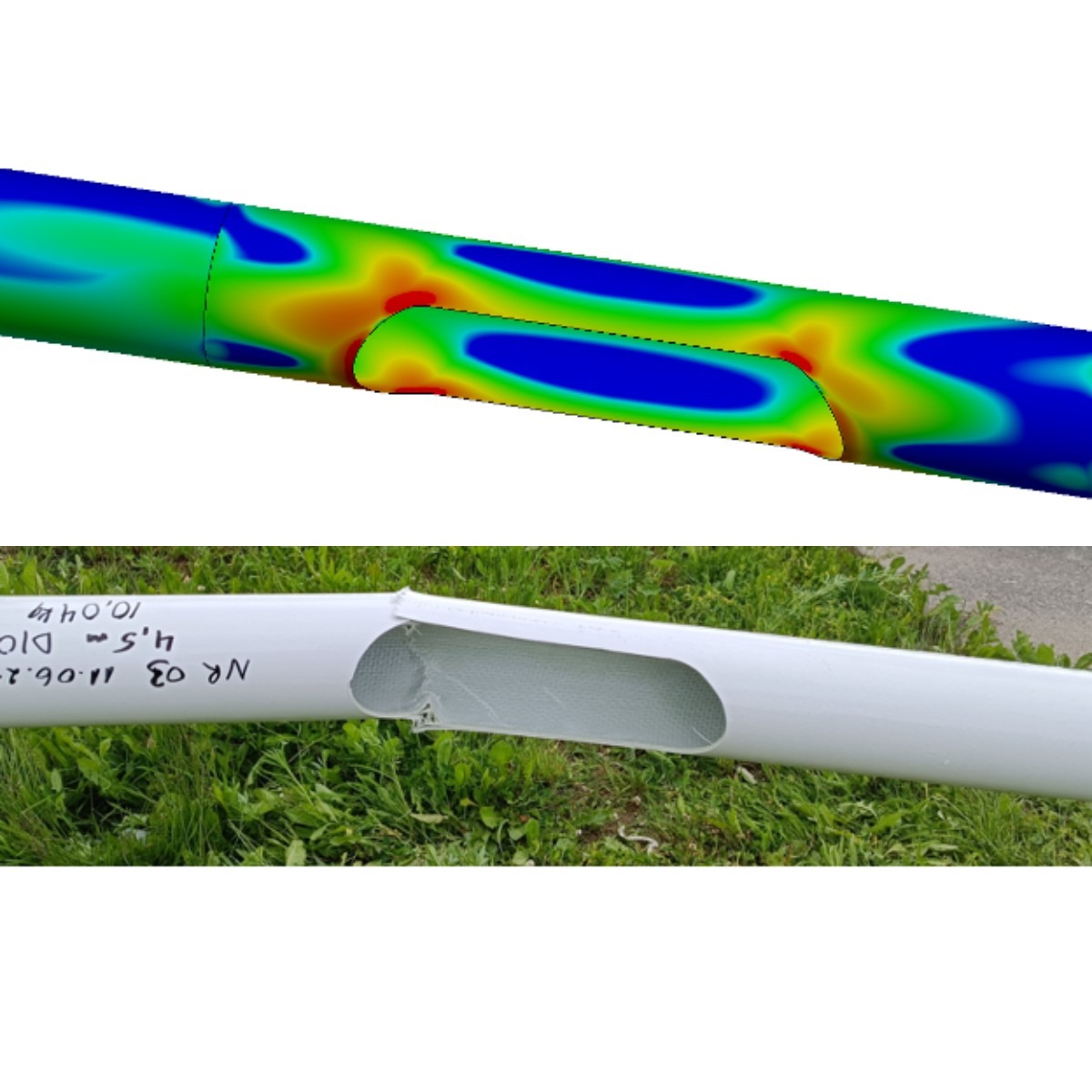
Strength analysis evaluates how a component, structure or machine responds to applied loads and operating conditions. It verifies stresses, deformation, stability and potential failure modes to determine whether the design is safe, reliable and compliant with applicable engineering requirements.
Strength analysis provides the engineering basis for assessing durability and supporting informed design decisions. It helps identify weak points, compare alternative solutions and optimise geometry, materials or weight before prototyping and manufacturing begin.
Problems that can be avoided
Why choose Revismo for strength analysis?
Engineering results that support decision-making
The purpose of strength analysis is to provide a clear assessment of structural safety, reliability and suitability for its intended application. The results support informed decisions related to engineering design, material selection, manufacturing and future investments.
Realistic loading conditions
The accuracy of any strength analysis depends on correctly defining loads, supports, contacts and boundary conditions. We carefully evaluate the actual operating environment and develop simulation models that closely represent real service conditions.
Design verification and optimisation
Strength analysis does more than verify whether a design is strong enough. It also identifies unnecessary material usage, uneven load distribution and structural weaknesses, helping optimise weight, geometry, manufacturability and long-term reliability.
Extensive engineering experience
We have analysed a wide range of machinery, industrial equipment, mechanical components and steel structures subjected to diverse loading conditions. Our experience includes static and dynamic loading, vibration, fatigue, buckling, thermal effects, internal and external pressure, as well as other engineering challenges.
Clear technical reporting
We document project assumptions, simulation models, engineering methods, results and conclusions in a structured technical report. The report can support further engineering work, risk analysis, technical documentation and, where required, CE compliance or product certification.
Strength analysis workflow
Defining project requirements
Every project begins by understanding how the structure, machine or component will be used. We define the analysis objectives and identify the loads, environmental conditions, operating cycles and other factors that influence structural behaviour.
Preparing the simulation model
Using CAD models or technical drawings, we create an analysis-ready simulation model. Where appropriate, geometry is simplified and engineering materials, supports, contacts, loads and boundary conditions are defined to accurately represent real operating conditions.
Engineering calculations and simulation
We perform the engineering calculations and simulations required for the project. Depending on the application, this may include static and dynamic loading, fatigue, vibration, buckling, thermal effects, pressure loading or other evaluations using Finite Element Analysis (FEA).
Evaluating the results
We assess stress distribution, deformation, stability, safety factors and potential failure modes. Critical areas of the design are identified and verified against engineering requirements and expected operating conditions.
Design optimisation
If the analysis identifies weaknesses or opportunities for improvement, we provide technically justified recommendations. These may include increasing structural strength, reducing weight and material usage or improving manufacturability.
Technical reporting and delivery
All project assumptions, engineering methods, simulation results and conclusions are compiled into a comprehensive technical report. The documentation can be used for further engineering, risk analysis, technical documentation and, where required, CE compliance or product certification.
What risks can strength analysis help reduce?
Strength analysis evaluates how a component, structure or machine performs under expected mechanical loads and environmental conditions. Depending on the application, analyses may include static and dynamic loading, vibration, fatigue, buckling, thermal effects, internal and external pressure, as well as wind and snow loads.
The analysis identifies areas where excessive stress, deformation, instability or fatigue damage may occur. These issues can lead to cracking, structural failure, joint failures, excessive deflection, unwanted vibration or a reduced service life.
Identifying these risks early allows engineering improvements to be made before prototyping or manufacturing begins. Strength analysis supports optimisation of geometry, materials, supports and load distribution while providing engineering evidence for safety, reliability, risk analysis, CE compliance and technical documentation.

If anything is still unclear
Our extensive experience enables us to analyse both simple and highly complex loading conditions in order to support engineering design and ensure structural performance. Over the years, we have performed analyses covering all major loading scenarios:
- Static loads
- Dynamic loads
- Internal pressure and vacuum loads
- Thermal effects
- Force analysis in moving systems
- Nonlinear load cases
- Buckling analysis
- Fatigue analysis
- Drop tests
- Natural frequency analysis
- Snow load calculations
- Wind load calculations
The service includes all necessary engineering preparation, simulation work and interpretation of results. Projects begin with the preparation of the CAD model, followed by load definition and assessment of applicable standards and design requirements.
The analysis phase evaluates stresses, deformations and structural geometry under the specified loading conditions. The work also includes verification of material selection and fastening methods. The results are compiled into a technical report that can be used for certification purposes and to demonstrate compliance with applicable requirements.
Strength analysis is required whenever the safety and reliability of a structure, machine or product depend on the loads it must withstand. It is particularly important when structural failure or excessive deformation could create risks to people, equipment or property.
Analyses are also performed when demonstrating compliance with CE requirements or when a risk analysis identifies potential hazards. In addition, strength analysis is often required when optimising weight, geometry or material consumption while maintaining the required level of performance and safety.
The cost of strength analysis is primarily determined by the complexity of the project and the scope of analysis required. The workload increases when a solution consists of multiple components or requires evaluation of complex loading conditions such as dynamic behaviour, vibration or impact loading. The quality of the 3D CAD model also affects the overall cost, as deficiencies in the model often require additional preparation and modelling work before analysis can begin.
Regulatory requirements, applicable standards and the level of detail required in reports and supporting documentation for certification purposes also influence the total project cost.
Verify strength and reliability before manufacturing
Before production begins, it is essential to confirm that a product, machine or structure can withstand its intended loads and operating conditions. Strength analysis helps identify potential weaknesses early, reducing the risk of failures, redesign and unnecessary manufacturing costs.
Recent projects and client stories
Get in touch
Whether it is a new idea or the further development of an existing solution, we help find the right route to a working result. Call or write to us and we will discuss how we can help.